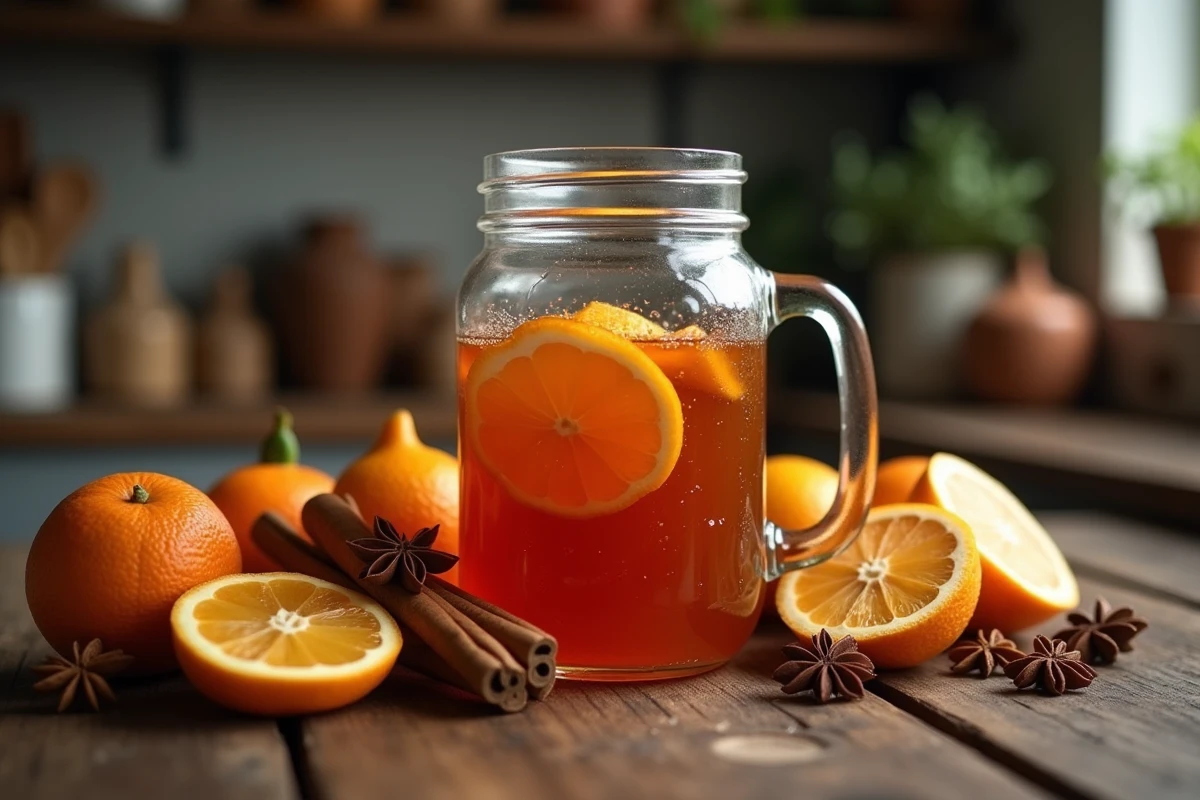
You prepared a large bowl of punch for a party, and half of it is left. The next day, the question arises: can it still be consumed safely? The answer depends on what your homemade punch contains, and especially on its actual alcohol content once mixed with fruit juices.
Alcohol content of punch after mixing: the underestimated factor
A rum at 40% ABV looks impressive on the label. Once diluted with pineapple juice, cane sugar syrup, and water, the finished punch often drops below 10% ABV of total alcohol.
Why does this threshold matter? Below 10% ABV, alcohol does not inhibit the growth of bacteria in a sweet drink stored in the refrigerator. Sugar, fruit pulp, and moderate acidity create a favorable environment for microorganisms, even when cold.
EFSA and OIV confirm this point: a low alcohol degree combined with a high sugar content does not protect the drink. Before knowing how long to store homemade punch, it is essential to estimate its actual alcohol content after preparation.
A simple guideline: if your recipe uses one volume of rum for three volumes of juice and syrup, the punch is around 10% ABV. Add melted ice or sparkling water, and it drops even further.
Storing punch in the refrigerator: durations based on ingredients
Not all punches are equal when it comes to time. The composition radically changes the shelf life.
Punch made with fruit juice and rum only
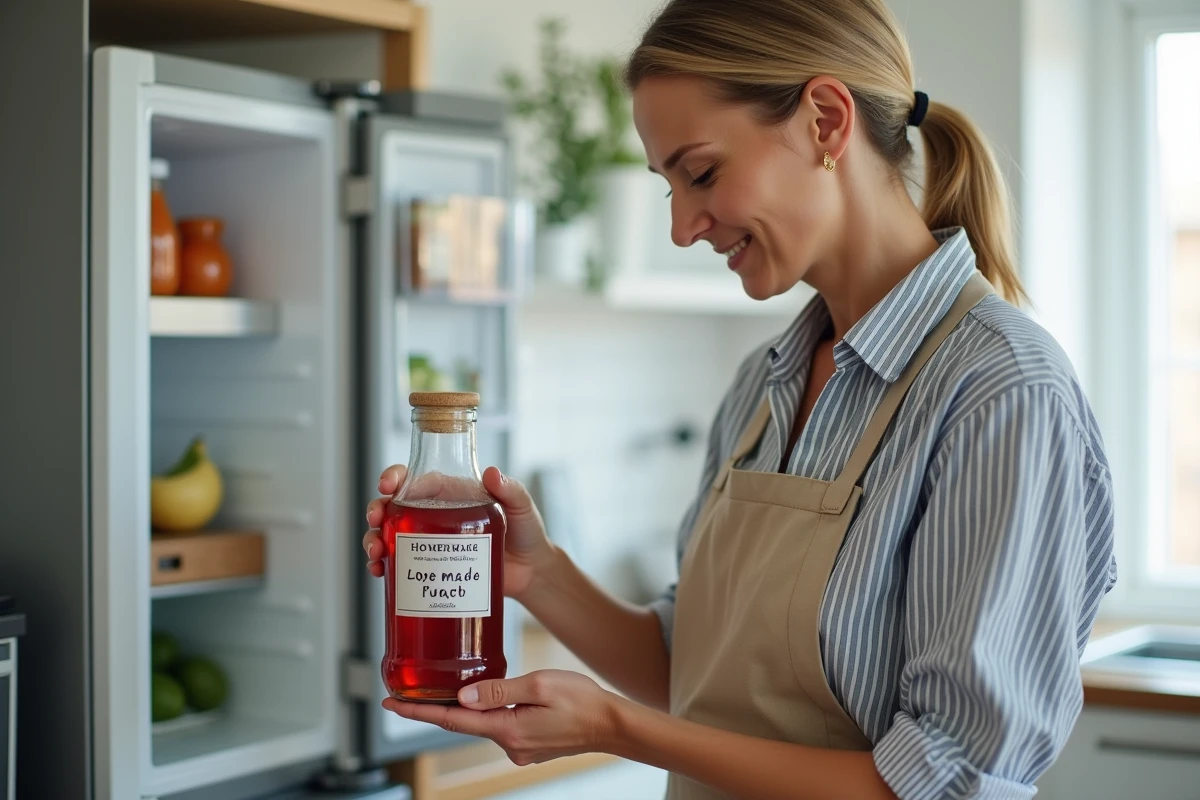
A classic punch (rum, fresh fruit juice, cane syrup, lime) can be stored in the refrigerator in a closed container. Consume it within three to five days to maintain decent flavors and limit health risks. The acidity of lime helps a bit, but does not replace cold storage.
Punch containing coconut milk, condensed milk, or eggs
Here, the situation changes. HACCP guidelines used in commercial catering in France classify sweet dairy drinks as highly perishable items. A punch made with fresh coconut milk or condensed milk should not exceed 48 to 72 hours in the refrigerator, even with rum in it.
The presence of alcohol does not alter the recommended timelines from these guidelines, which consider the potential growth of Listeria, Salmonella, or Staphylococcus aureus at temperatures above 0 °C. The Alexandra punch, for example, with its fresh coconut milk and sweetened condensed milk, falls into this category.
Clarified milk punch
Clarified milk punch is a special case. Milk clarification removes proteins and a good portion of organic matter. Some enthusiasts report a shelf life of several weeks in the refrigerator. Flavors tend to mellow after a few weeks. Note the preparation date on the bottle to track its evolution.
Punch left at room temperature: the real risks
You may have noticed that a punch left on the table all night tastes different the next morning? It’s not just a matter of flavor.
At room temperature, bacteria multiply rapidly in a sweet punch with low alcohol content. Two hours outside the refrigerator are enough for the microbial load to increase significantly in a drink containing fresh fruit juices.
The practical rule is straightforward: a punch left out for more than two hours in warm weather (outdoor party, barbecue) should not be returned to the refrigerator for later consumption. Discard the leftovers.
For a punch served on a terrace or buffet, keep the bowl on a bed of ice. The cold slows bacterial proliferation and maintains the fruit aromas.
Signs of homemade punch that has gone bad
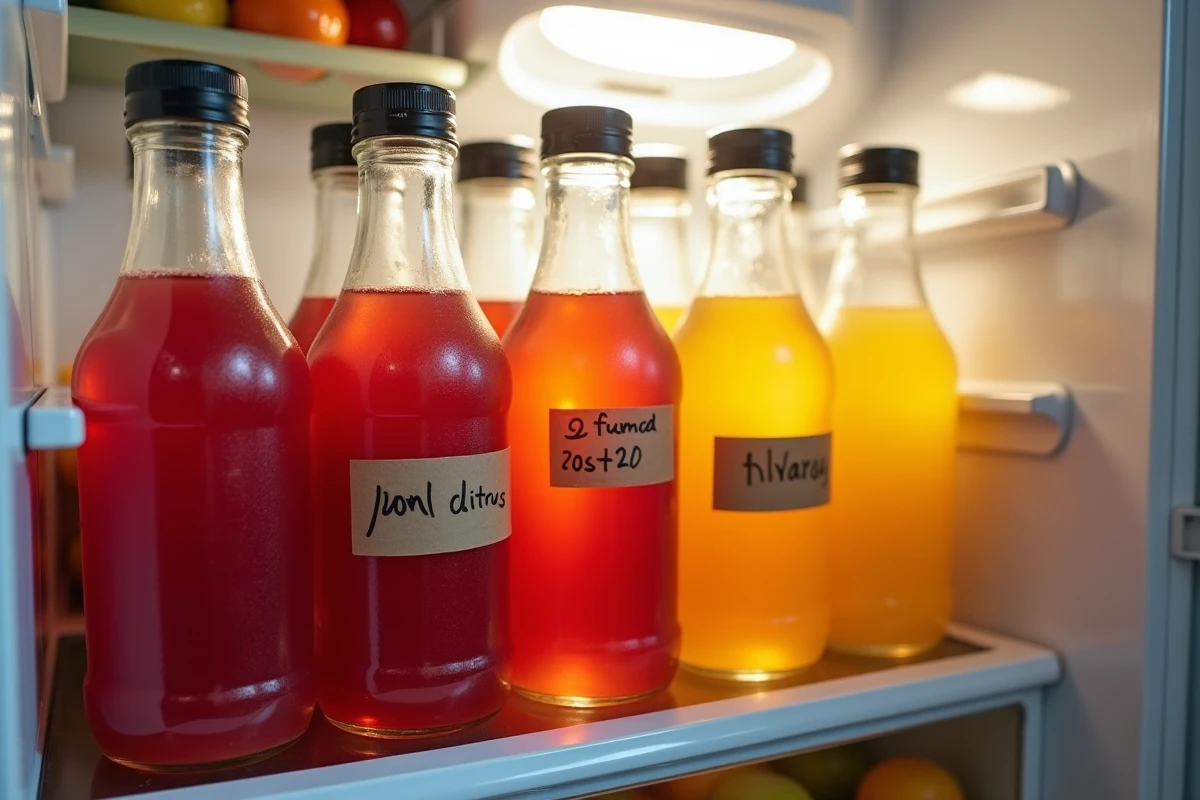
Before tasting leftover punch, a few quick checks can help eliminate doubt:
- The smell has changed: a sour, vinegary, or fermented note that wasn’t there initially indicates unwanted fermentation. The sugar from the juices then transforms into acetic acid or uncontrolled alcohol.
- The appearance is cloudy or foamy: bubbles on the surface (outside of initially carbonated drinks) or an opaque veil signal microbial activity. A coconut milk punch with lumps has exceeded its limit.
- The taste is sharp or seems “flat”: if the fruit flavors have disappeared in favor of unusual bitterness or acidity, the drink is no longer reliable.
When in doubt, the rule remains simple: if the smell or appearance surprises you, do not drink it.
Best practices to extend the shelf life of your punch
A few actions during preparation can change the punch’s lifespan:
- Use an airtight glass container instead of an open bowl covered with plastic wrap. Contact with air accelerates the oxidation of fruit juices and promotes contamination.
- Add cut fruits at the time of serving, not the day before. Fresh fruit pieces (pineapple, orange, passion fruit) release pulps that become a breeding ground for bacteria.
- Store the punch in the refrigerator immediately after preparation, without waiting for it to cool to room temperature.
- Separate the rum from the juice mixture if preparing in advance. Non-alcoholic fruit syrup has a shorter shelf life than the final mixture, but assembling at the last moment ensures sharper flavors and better sanitary control.
Homemade punch remains a living drink, whose preservation directly depends on what you put in it. A pure juice-rum planter lasts a few days in the cold without issue. A coconut milk punch needs to be consumed quickly. In any case, the refrigerator is not an option; it is the basic condition.