Regular maintenance of a vehicle equipped with a diesel engine is essential to ensure its durability and proper functioning. The specifics of this type of engine require special attention, particularly regarding the injection system, the quality of the engine oil, and maintenance intervals. Adhering to the manufacturer’s recommendations, using suitable fuels and lubricants, as well as periodically checking key components such as air and diesel filters, are all essential practices to extend the life of the diesel engine and maintain its optimal performance.
Preventive Maintenance and Good Driving Practices
A rigorous follow-up of preventive maintenance is the foundation upon which the longevity of a diesel engine rests. The maintenance of a diesel car includes checks and actions that cannot be overlooked. For example, you must warm up and heat the engine before starting, especially in cold climate regions, to avoid unnecessary stress on the injection system and glow plugs. The latter should be checked and, if necessary, replaced to ensure optimal starting.
The urban driving is often characterized by frequent stops and starts, which promotes engine fouling. To prevent this phenomenon, you should alternate with highway trips, which help clean the engine and maintain an adequate operating temperature, essential for the lifespan of the 1.5 dCi Renault engine or any other diesel model.
The battery, for its part, requires special attention, especially during cold seasons when starting is more difficult. Proper battery maintenance helps avoid premature degradation and ensures the vehicle’s starting capacity. Make sure the cables are free of corrosion and that the battery charge is maintained, especially if the vehicle is not used regularly.
The driving practice has a direct impact on the health of the diesel engine. Smooth acceleration, anticipating braking, and reasonable use of engine revs are not only environmentally friendly actions; they also guarantee less wear and better engine efficiency. Extend the life of your diesel engine by adopting these behaviors in your daily routine.
Choice of Consumables and Replacement of Critical Parts
Choosing premium fuel is a wise decision for any diesel vehicle owner. Indeed, these fuels are often enriched with additives that clean the injection system and optimize combustion. High-quality fuel has the ability to improve vehicle performance while contributing to the reduction of harmful deposits that could damage the engine in the long run. Consider using these fuels as an investment in the health of your engine.
The use of engine additives specifically designed for diesel vehicles can also be beneficial. These products tend to fluidize the injection and reduce pollutants, thus helping to preserve the engine and optimize its lifespan. Stay vigilant about the choice of these additives and ensure they are compatible with your engine’s specifications.
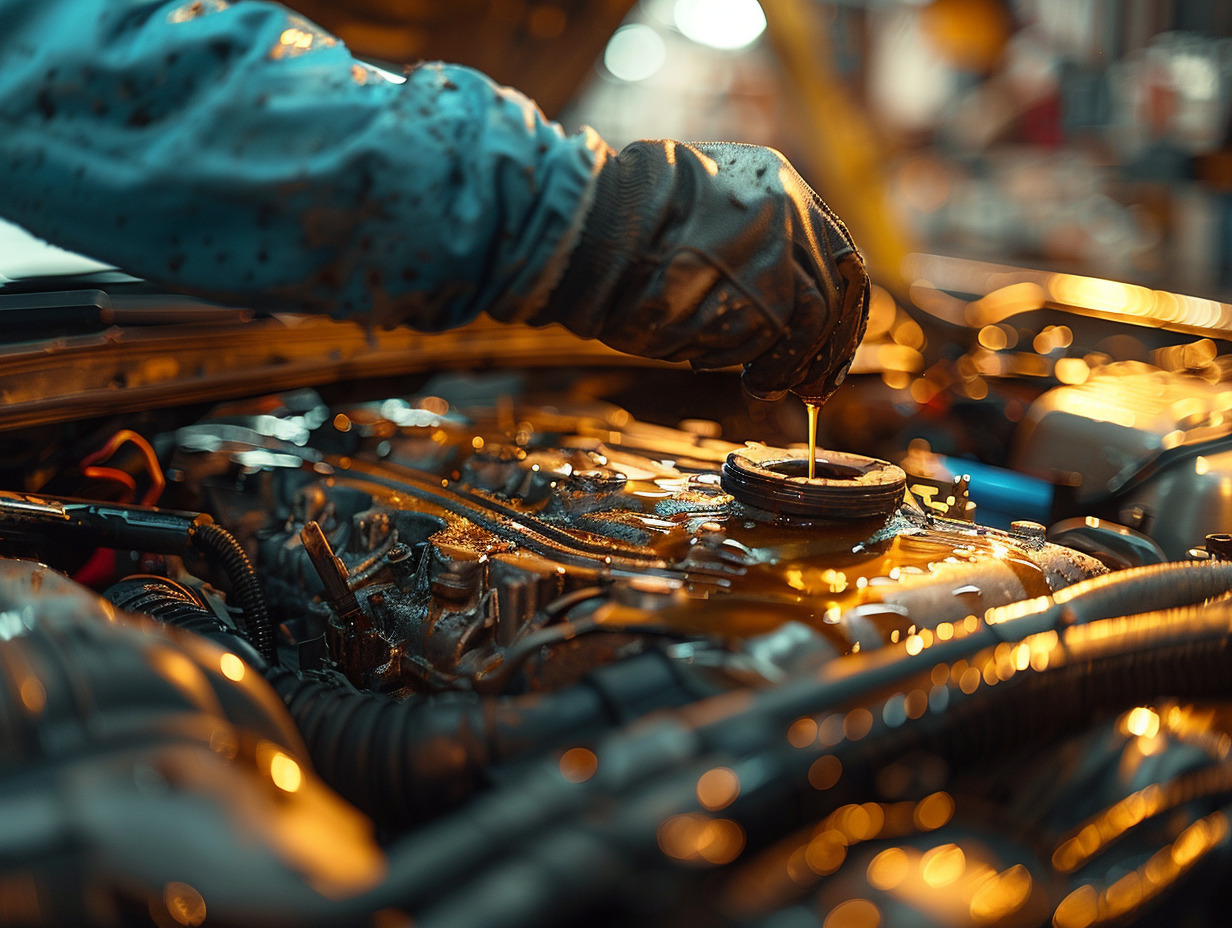
The regular oil change, recommended every 15,000 to 20,000 km, is fundamental. It also involves replacing filters, which should be inspected and changed to ensure optimal filtration. The fluids in your vehicle, such as coolant and brake fluid, should be checked regularly to maintain optimal performance. Don’t forget the diesel particulate filter (DPF), essential for capturing harmful emissions and which must be cleaned through high-speed trips to avoid clogging. As for the spark plugs, periodic checking and replacement ensure reliable starting and efficient fuel combustion.