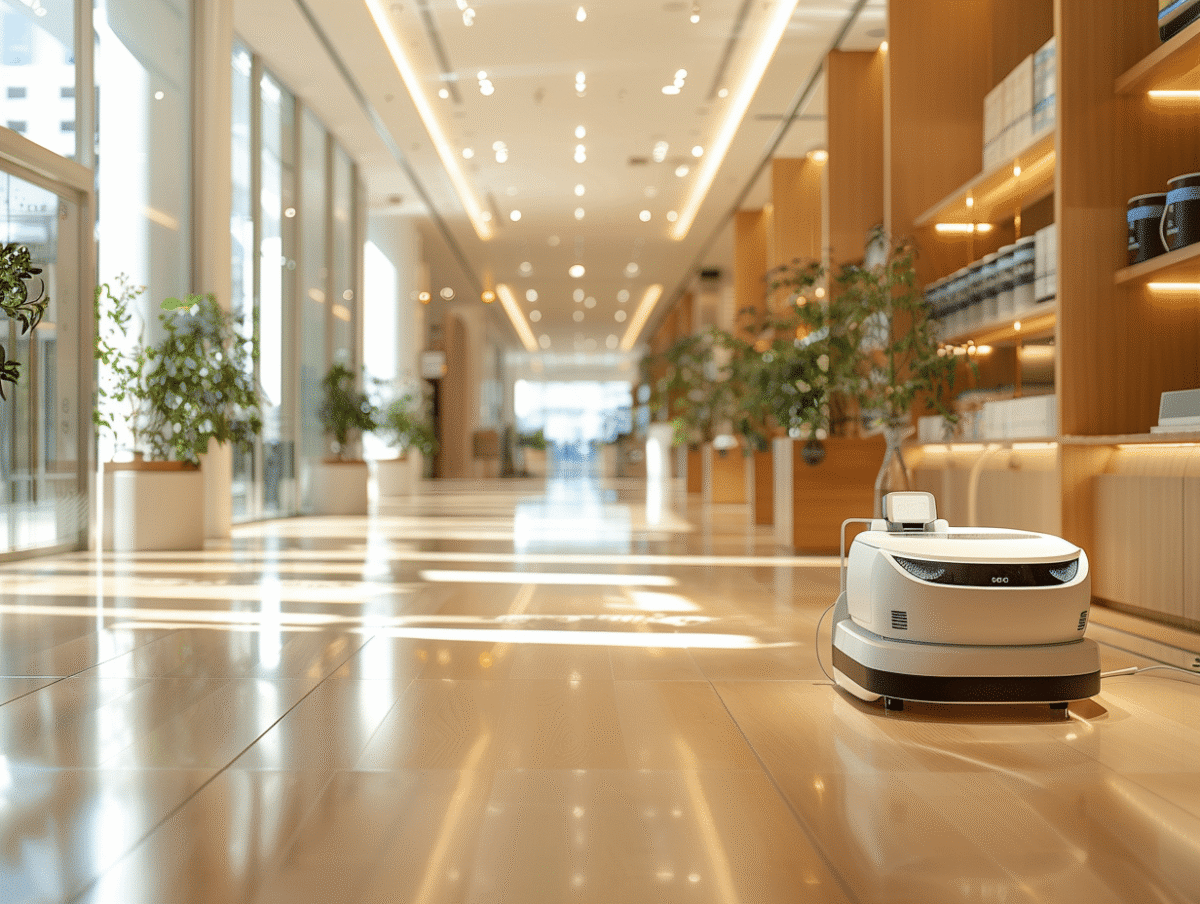
Automated commerce, with its rapid technological innovations, is reshaping the global economic landscape. The integration of artificial intelligence, robots, and automation systems into supply chains and points of sale is transforming not only how businesses operate but also altering labor market dynamics. These advancements lead to increased efficiency, reduced costs, and improved personalization for consumers. They also raise pertinent questions about job security and economic equity, as the skills required for the workforce evolve and low-skilled jobs become increasingly automated.
Technological Advances in Automated Commerce and Their Role in the Global Economy
The rapid development of technologies in automated commerce has now become an essential driver of the global economy. These technological innovations, such as the revolutionary system ‘TradeGPT 360 Evex’, do not merely rethink traditional sales and purchasing methods but also redefine the paradigms of international trade. The World Trade Organization (WTO) is observing a significant shift in trade dynamics, with emerging technologies playing a crucial intermediary role in cross-border exchanges.
The phenomenon does not stop at the installation of robots in warehouses or the use of algorithms for inventory management. The development of commerce resonates with the democratization of digital services that support businesses’ expansion in the global market. Global service exports reached the impressive figure of 7.2 trillion USD in 2022, with digitally delivered services accounting for nearly half, at 3.82 trillion dollars.
These figures testify to the colossal economic impact of automation and digital services on the global economy. Recent advancements in the field continue to push the boundaries of what seems achievable, influencing business strategies and economic policies on an international scale. Technologies like ‘TradeGPT 360 Evex’ are game-changers, enabling companies of all sizes to access new markets and compete at an unprecedented level.
Furthermore, these technologies are transforming international trade into a highly competitive and dynamic environment. Trade relationships are becoming more complex, digital ecosystems are intertwining, and strategic alliances are emerging, dictated by the ability to integrate and maximize the efficiency of these automated tools. The relevance of the WTO as a regulatory entity for these developments becomes even more fundamental, ensuring fairness and efficiency at the heart of this new economic landscape.

Socio-Economic Consequences of Automation in Commerce on the Labor Market and Public Policies
The deployment of automation in commerce raises prominent questions regarding the labor market. The increasing adoption of artificial intelligence and advanced technologies in business processes brings undeniable productivity gains, but also shakes traditional employment structures. Some jobs are undergoing profound transformation, while others emerge or, conversely, fade away. In this context, public policies must adapt to anticipate and manage professional transitions while ensuring training and retraining for workers.
Research and education become fundamental pillars for understanding and integrating the changes brought about by automation. Entities such as the BIICL, praised for its significant contributions, work to enlighten policymakers and the public on these issues. Professor Maniatis, director of the BIICL, emphasizes the importance of a proactive approach in education to prepare future generations for a constantly evolving labor market.
The socio-economic consequences of automation prompt governments to rethink regulations and support measures. Employment policies, social security systems, and taxation must be adjusted to effectively support workers in this transition and to maintain social cohesion in the face of skill and income polarization.
The leadership role held by Gabrielle Marceau, organizer of the conference dedicated to the impacts of automated commerce, reflects the desire to highlight the challenges and opportunities this revolution presents for public policies. Collective reflection on adequate adaptation strategies is essential to ensure harmonious and inclusive development, where the benefits of automation are equitably distributed and the risks of social fractures are mitigated.