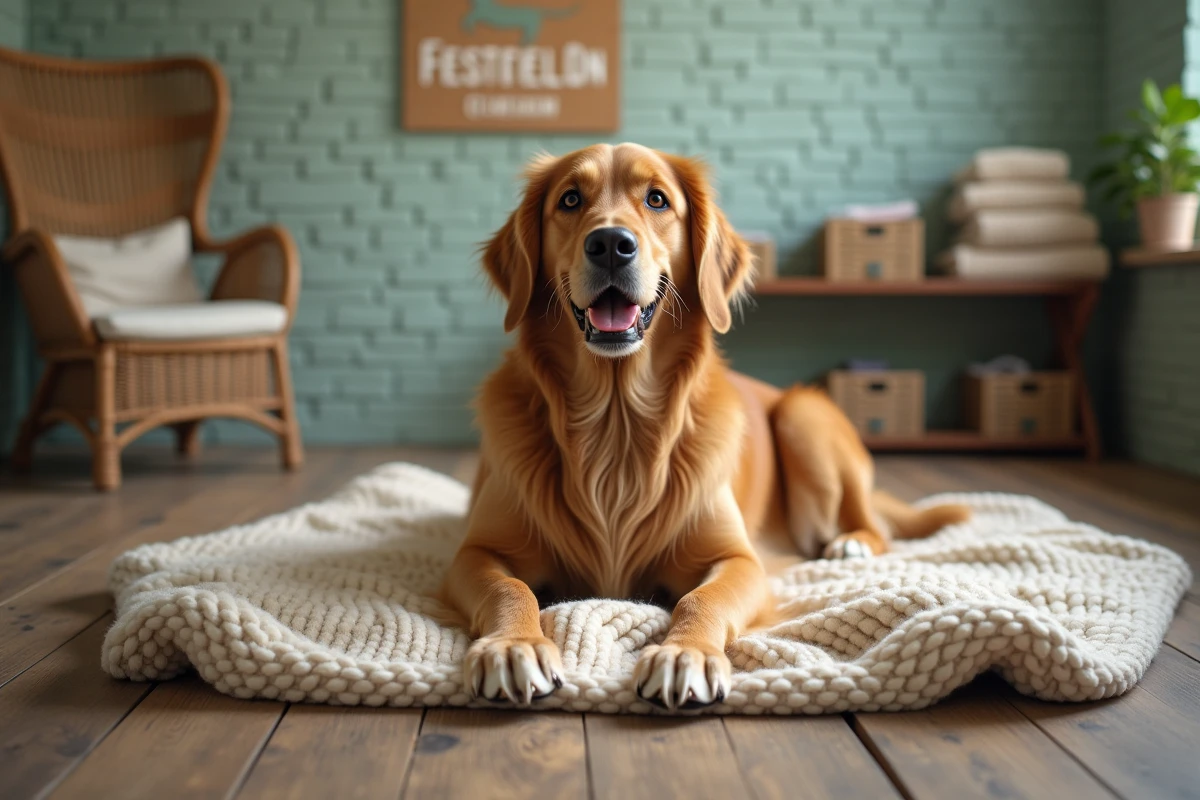
An animal shelter is defined by its ability to rescue, care for, and rehome abandoned or abused animals into suitable homes. 4 Pattes d’Amour features individual animal profiles on its site for those awaiting adoption, each detailing the animal’s journey from arrival to veterinary care. This detailed profile approach allows adopters to choose a companion with informed knowledge, beyond just a photographic crush.
Individual animal profiles in shelters: what a well-constructed profile reveals
The individual profile of an animal in a shelter is not just a photo and a name. It condenses veterinary, behavioral, and logistical information that guides the adoption decision.
A complete profile generally mentions the species, estimated breed, approximate age, vaccination status, possible sterilization, and behavioral traits observed by volunteers. When reliable, this data reduces the risk of incompatibility between the animal and its future home.
By browsing all the animals of 4 Pattes d’Amour, one can access these structured profiles that document each resident. The transparency of these profiles distinguishes serious organizations from the brief listings posted on social media, where medical history is often absent.
Dogs and cats for adoption: typical journeys in an associative shelter
Dogs and cats represent the majority of residents in French associative shelters. Their journeys follow recurring patterns that deserve to be understood before any adoption process.
The dog that arrived after abandonment
An abandoned dog first goes through a behavioral assessment phase. Volunteers observe its reactions to other animals, children, and everyday noises. This period lasts several weeks and determines the type of home recommended.
Some dogs exhibit stress-related issues from abandonment: excessive barking, destruction, separation anxiety. The shelter then adapts a resocialization protocol before offering the animal for adoption.
The cat rescued after a wandering life
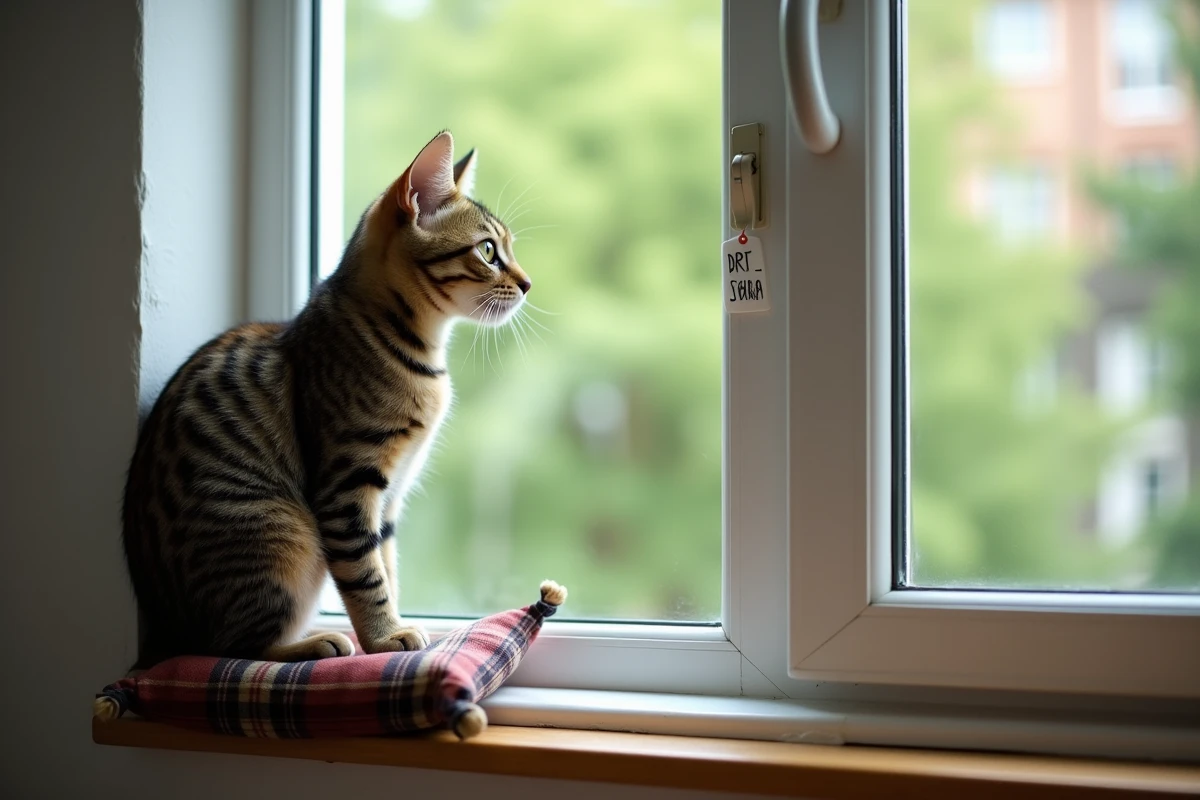
A cat captured in an urban or suburban area often arrives unidentifiable and unsterilized. Sterilization and identification are carried out before any transfer, in accordance with legal obligations imposed on shelters. The behavior of a formerly stray cat differs significantly from that of a cat socialized from weaning: the adaptation period in a home can extend over several months.
Touching stories of adopted animals: what happens after the shelter
Rescue and successful placement stories circulate widely on the shelters’ social media. Their value goes beyond emotion: they document the reality of post-adoption follow-up, a rarely addressed aspect by generalist platforms.
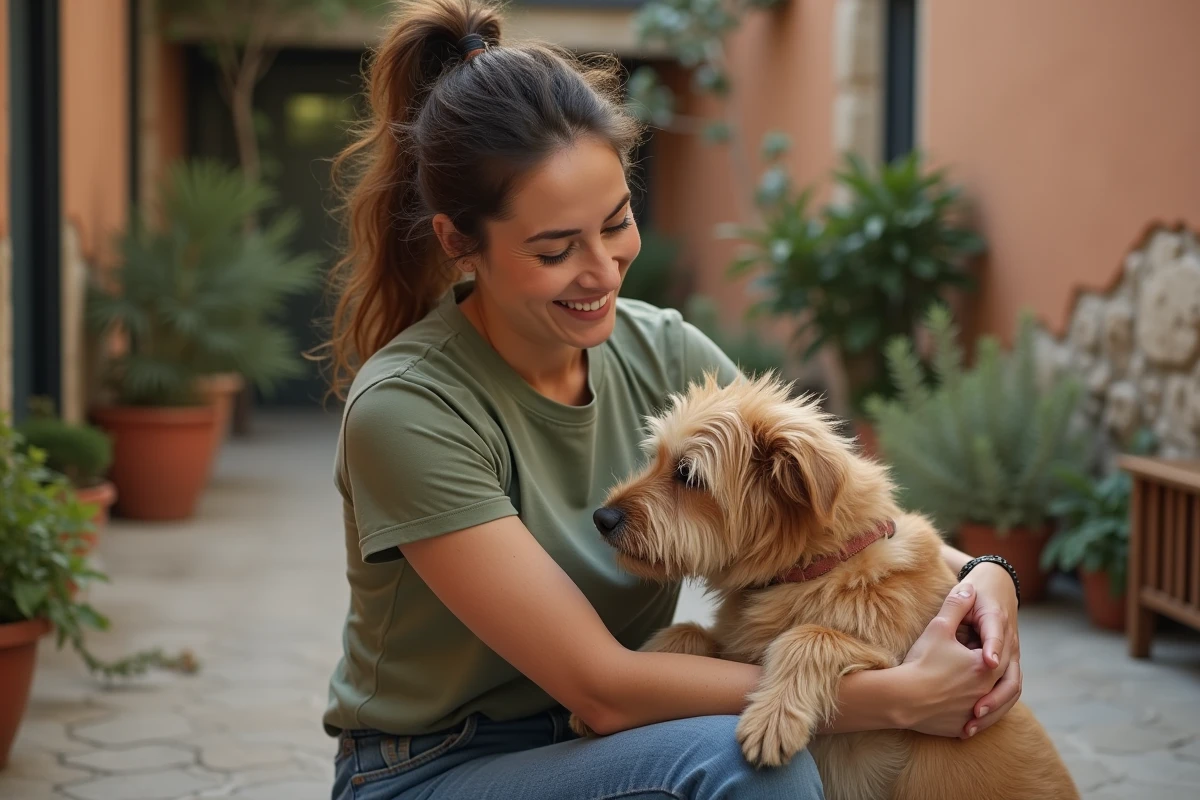
An adopted animal goes through a transition phase. The move from the shelter to the home alters its spatial, auditory, and relational references. The first weeks are crucial for the long-term success of the placement.
- A dog used to life in a collective kennel may take several days to accept sleeping alone in a room, even a comfortable one.
- A fearful cat will need a restricted space at first (just one room), gradually expanding as it explores without stress.
- Older animals or those with chronic conditions require regular veterinary follow-up that the shelter can help anticipate through its written recommendations.
These stories, when told accurately, also serve as practical guides for future adopters. The account of a successful adoption often holds more value than a theoretical guide, as it illustrates the concrete difficulties encountered and the solutions found in daily life.
Animal-adopter compatibility criteria: beyond the crush
Impulsive adoption remains the primary cause of animal returns to shelters. A lasting placement relies on the alignment between the adopter’s lifestyle and the specific needs of the animal.
Structured shelters assess this compatibility through a preliminary interview. The questions focus on concrete elements:
- The size and configuration of the housing (apartment, house with garden, floor without elevator).
- The presence of other animals or young children in the home.
- The daily time available for outings, play, and mental stimulation of the animal.
- The financial capacity to cover routine veterinary care and unexpected medical expenses.
A rigorous pre-adoption interview significantly reduces the return rate. This step, sometimes perceived as intrusive by candidates, protects both the animal and the adopter from a situation of failure.
Traceability and legal obligations of shelters in France
The transfer of an animal by a shelter follows a strict regulatory framework. Each animal transferred must be identified (microchip or tattoo), vaccinated according to current protocols, and accompanied by a veterinary certificate attesting to its health status.
The shelter issues a certificate of commitment and knowledge that the adopter signs before receiving the animal. This document includes a mandatory reflection period between the signature and the actual adoption.
This traceability protects the animal in the long term. In cases of abuse or subsequent abandonment, identification allows tracing back to the last declared owner. Serious shelters also retain a contractual right of recovery if the conditions of custody are no longer respected.
Consulting animal profiles on a shelter site like 4 Pattes d’Amour follows this transparency logic. Each published profile commits the organization to the accuracy of the information provided, from vaccination status to reported behavioral traits.